Anyone who owns a stucco home in Edmonton has seen it: fine cracks flaring out from the corners of windows, soft spots below sills, staining that never quite goes away, or that telltale bulge near a jamb. Window openings are where stucco assemblies Click for source work the hardest and, if anything is off, where problems show up first. Edmonton’s freeze-thaw cycle adds stress every season, and wind-driven rain finds every gap. This piece explains why window zones fail more than field walls, what the symptoms mean, and how a professional approach prevents repeat repairs. It focuses on practical steps for homeowners in Edmonton, AB, and shows how Depend Exteriors handles stucco repair that lasts.
Why windows stress stucco more than flat wall areas
A window opening interrupts the wall’s structure. The sheathing, weather-resistant barrier, wire lath, and finish coat all change direction around the opening. Movement concentrates at corners, which is why hairline cracks often fan out at 45 degrees from window corners. Frames expand and contract at rates different from stucco. In winter, warm indoor air presses outward, while exterior surfaces chill fast. That temperature swing, combined with Edmonton’s freeze-thaw cycles, puts the finish under tension and compression hundreds of times each season.
Water management is another factor. Around windows, flashing must shed water away from the wall. If head flashing is missing, cut short, or plugged with sealant, water finds the path behind the stucco. If the building paper laps wrong, moisture wicks into the sheathing and wire lath. Below the sill, water can pool on horizontal surfaces if the slope is wrong. Over time, trapped moisture corrodes lath, breaks the bond with the scratch coat, and causes bulging or delamination.
EIFS (Exterior Insulation and Finish System) adds its own variables. EPS board insulates well but needs proper flashing, mesh reinforcement, and sealant joints. If sealant fails where the EIFS meets the window frame, water can travel behind the insulation board. In winter, that water freezes, expands, and pushes the finish outward, creating blisters or foam detachment.
The most common window-related stucco failures in Edmonton
On job sites from Glenora to Windermere, the pattern repeats. Window perimeters reveal issues before other wall areas. Edmonton’s climate amplifies every small mistake.
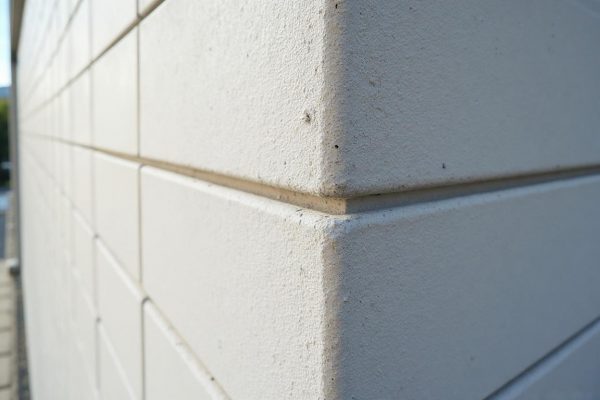
Hairline cracks at window corners are the first clue. They can look harmless, but in a city that hits -30°C and swings to warm chinooks, tiny fissures allow water to enter, freeze, and widen. Without intervention, a thin fracture evolves into a stair-step crack or a full delamination band around the opening.
Bulging stucco under sills or below the jamb line often signals failed lath attachment or rusting metal ties. If a palm pressed on the area feels springy, that is not a surface crack; it is a bond failure. Left alone, a bulge can break loose during the next freeze-thaw cycle.
Efflorescence, the white salt staining around windows, tells a different story. It points to water moving through cementitious layers and dissolving salts that crystallize on the surface. It is common where flashing laps are wrong or where stucco meets masonry sills without a proper drip edge.
Water staining runs and dark halos suggest moisture intruding behind the finish. In acrylic systems, staining can trail from a failed sealant joint along the top of the frame. In hard coat stucco, stains often appear where head flashing is short or buried behind the finish.
Woodpecker damage spikes near windows on EIFS homes, especially in quiet tree-lined areas of Riverbend, Terwillegar Towne, and Summerside. Birds target soft spots near openings where moisture softened the foam or where insects took advantage of damp insulation.
Why flashing and sealant joints make or break window performance
Details around the opening are unforgiving. Head flashing should project and kick water out and away. Jamb flashing needs to overlap the WRB in a shingle fashion. Sills require slope and a drip edge to break surface tension and stop water from curling back under the finish. If any step reverses a lap or traps water, stucco absorbs it. In Edmonton, that water then freezes. The expansion exerts force on the scratch and brown coats, pushing them off the lath.
Sealant joints do not last forever. Acrylic stucco moves differently than vinyl or aluminum frames. Even high-quality sealants can pull away in three to seven years. In older Glenora homes with original wood windows, seasonal movement is greater, so joints fatigue faster. Once a gap opens, wind-driven rain near the Edmonton River Valley or during storms around West Edmonton Mall can drive water deep behind the finish.
Traditional hard coat versus acrylic stucco around windows
Each system handles movement and moisture differently. Traditional hard coat stucco uses a scratch coat, brown coat, and finish coat over wire lath. It is dense and durable, but without proper expansion joints or mesh reinforcement around window corners, cracks form where stress concentrates. Acrylic finishes are more elastic and resist hairline cracking, but they rely on surface integrity. If water gets behind the acrylic layer—especially in EIFS—problems progress out of sight until they appear as bubbles or bulges.
In Edmonton’s cold, acrylic systems require careful winter technique to cure properly. Depend Exteriors hoards and uses heat guns or temporary heaters to keep materials within the correct temperature range, which prevents weak bonds and future blistering.
The telltale signs near windows that call for professional stucco repair
Window issues often look small. A pencil-thin crack, a faint white bloom, a slight hollow sound when tapped. Yet these often point to systemic causes. Depend Exteriors evaluates the whole opening, not just the visible scar.
Water infiltration hides behind clean paint. If the wire lath rusts, it weakens the mechanical key that locks the scratch coat to the wall. Efflorescence and long-running stains suggest that water pathways have existed for months or years. A single day of rain cannot deposit that much salt. If bulging is present, delamination has already advanced, and the lath may be detached from the sheathing.
EIFS failures may present as local depressions where EPS board has softened from moisture. Woodpecker holes around the top corners often mark a spot where insects found damp foam. In those cases, patching only the finish traps moisture. Proper repair involves removing compromised EPS, drying the substrate, and rebuilding with new foam and mesh.
How Depend Exteriors diagnoses window-area stucco problems
A reliable diagnosis starts with the building envelope. Inspectors look for flashing terminations, WRB laps, signs of trapped moisture, and expansion joint placement. At window edges, they probe sealant condition and check for proper backer rod. They tap the surface to identify hollow areas. Moisture meters and small inspection openings confirm whether water sits behind the finish.
On repairs in Old Strathcona, where many homes combine historic details with later additions, transitions between old hard coat and newer acrylic finishes often cause stress lines right at window perimeters. The team notes those transitions and plans reinforcement that matches each system.
If efflorescence is present, rinsing alone does nothing. The source must be addressed. That can mean correcting head flashing, improving drip edges, or rebuilding the window sill slope before a new finish goes on.
A proven window-perimeter repair process that holds up in Edmonton
Good stucco repair starts with removing all loose or compromised material and exposing sound substrate. Around windows, that often means cutting back to solid lath and inspecting the sheathing. If the sheathing is wet or softened, it gets replaced. Wire lath with visible corrosion is swapped out. Building paper is patched or replaced so that laps shed water properly.
Fiberglass mesh reinforcement is key. After prep, Depend Exteriors applies a base coat and embeds high-strength fiberglass mesh to bridge the stress fields around window corners. This controls future hairline cracking and distributes movement. For acrylic systems, the mesh layer creates a stable base. For hard coat stucco, the approach includes a proper scratch coat keyed into the lath, followed by a brown coat, then a finish that matches texture.
Color and texture blending near windows is unforgiving. Sunlight reveals every mismatch. The team uses texture sprayers and hand techniques to recreate dash, float, or lace patterns. Custom-tinted acrylic topcoats help blend old and new, and test panels ensure the sheen and tone align under different light. Many Edmonton homes have 15 to 25-year-old finishes. With age, exposure changes pigment. Technicians sample discreet spots, then tune tint formulas until the repair disappears in daylight and evening shade.
Moisture control: the non-negotiable step
Proper flashing, weep paths, and sealant joints must work together. At the head, flashing should project and slope. Sealant belongs between dissimilar materials, but sealant alone is not a water-management system. Where necessary, Depend Exteriors reinstalls head flashing, resets sill slopes, and adds end dams so water cannot run into jambs.
Expansion joints deserve special attention. Around large windows or where long wall runs meet an opening, joints help absorb movement and prevent new cracks. Without them, repairs often fail in the same spots within one or two winters.
Winter repairs near windows: what changes in Edmonton’s climate
Edmonton’s cold demands a controlled cure. Cement-based coats cannot hydrate well below freezing, and acrylics suffer if applied too cold. Depend Exteriors builds temporary enclosures and uses heaters to maintain target temperatures. Heat guns assist spot curing and help with sealant adhesion. Scheduling matters: exterior repairs in January proceed on calm days with protection in place, or they pause during extreme cold snaps. Work can continue through winter with the right controls, which prevents further moisture damage while homeowners wait for spring.
Materials that make a difference around openings
Material choice pays off near windows. Acrylic finishes with high elasticity handle micro-movement and reduce hairline cracking. Alkali-resistant fiberglass mesh in the base coat resists breakdown against cement chemistry. Quality sealants with backer rod allow proper joint geometry and support cyclic movement. For hard coat systems, blends from Imasco Minerals combine well with local aggregates and perform reliably in Alberta’s climate. For acrylic systems, Sto Corp products bond well and seal against moisture. For premium homes, DuRock finishes provide superior crack resistance and color stability around high-visibility openings.
What homeowners can check before calling for help
A quick perimeter check every spring and fall helps catch issues early. Run a fingernail across hairline cracks at corners; if it snags, the crack is active. Look along the head of the window for a clean, projecting metal flashing. If the sealant bead looks torn, brittle, or pulled away, water is getting in. Tap gently below the sill; a hollow sound indicates delamination. Note any white salt deposits or brown water trails. Take photos after rain events. Patterns matter more than one-off spots.
If any of those signs show, resist caulking over the problem. Sealant can trap moisture behind the finish and make the issue worse in winter. Proper repair addresses the source, not just the surface.
How Depend Exteriors matches textures and colors at window repairs
Color matching on aging stucco can be tricky, especially on south and west elevations near Riverbend and West Edmonton where UV exposure is high. Technicians clean a test area, sample the actual hue under neutral light, and produce a custom-tinted acrylic topcoat. Texture matters just as much. A heavy dash on a 1990s Summerside build reads differently than a light float on a modern Windermere home. The crew combines texture sprayers and hand floats to recreate the original pattern so repaired bands at window perimeters blend into the field wall.
Case notes from Edmonton neighborhoods
Historic Glenora homes often feature traditional hard coat stucco with original windows. Cracks at arched heads and diagonal corner fractures are common. Repairs focus on mesh reinforcement around arches and rebuilding sills with proper drip edges.
In Old Strathcona, mixed renovations sometimes leave EIFS adjacent to hard coat. Window lines that cross between systems need expansion joints and careful transitions. Without them, recurring cracks form exactly where systems meet.
Newer builds in Terwillegar Towne and Windermere frequently use EIFS. Woodpecker activity clusters near windows facing treed areas. Repairs require replacing the EPS board behind the hole, adding denser foam inserts or mesh reinforcement, and adjusting nearby sealant joints so moisture does not soften the foam again.
Homes near the Edmonton River Valley see higher humidity and more wind-driven rain. Window head flashings that look fine on dry days reveal staining patterns after storms. Here, proper laps at the WRB and end dams at flashing ends are crucial.
The Depend Exteriors approach: from inspection to finish
The workflow starts with a focused inspection around windows and doors. The crew checks flashing, WRB laps, lath condition, and substrate moisture. Where needed, small exploratory openings confirm the extent of hidden issues. Next comes removal of loose finishes and corroded lath, replacement of damaged sheathing, and correction of moisture pathways.
Repairs proceed layer by layer. The team restores the weather-resistant barrier, reinstalls wire lath with proper fasteners, and applies a scratch coat keyed to the lath. A brown coat flattens and strengthens the area. For crack control, they apply high-strength fiberglass mesh embedded in a base coat. The final finish—acrylic or cement-based—matches the existing texture. A custom-tinted acrylic topcoat blends the color and adds a protective layer.
Where EIFS is present, compromised EPS board gets replaced, seams are rasped smooth, and alkali-resistant mesh bridges joints. Depend Exteriors uses specialized texture sprayers to merge the new finish with surrounding areas so that repaired edges near window trim disappear after curing.
Local experience matters for Edmonton’s map-pack searches and real homes
Depend Exteriors provides stucco repair Edmonton homeowners can trust across the Capital Region. The team services T6H and T5A along with many other postal codes, with projects completed from St. Albert to Sherwood Park and across West Edmonton. Crews understand how cold snaps, chinooks, and spring melt affect building envelope details. Whether near the University of Alberta, Rogers Place, the Muttart Conservatory, or the Alberta Legislature Building, the work adapts to local exposure and wind patterns.
Materials matter in Alberta’s climate. The company uses premium systems from Imasco and Sto Corp for durable bonds and recommends DuRock acrylic finishes for high-end estates that demand superior crack resistance and color hold. That combination of product knowledge and local technique supports long-term performance.
Clear, practical answers to common window-area questions
Can stucco around my windows be repaired in winter? Yes, with proper hoarding and heat. Depend Exteriors uses temporary enclosures and heaters, plus heat guns for spot curing, to keep temperatures within the manufacturer range. Work pauses only in extreme cold snaps. This prevents water from continuing to damage the sheathing all winter.
How do you match the color of 20-year-old stucco at the window perimeter? The team cleans a sample area, assesses fade under neutral light, then mixes a custom-tinted acrylic topcoat. They test on a small patch, adjust tint, and apply the final coat once the texture is right. This method blends repairs so edges around frames do not stand out.
What is the difference between traditional hard coat and acrylic stucco near windows? Hard coat is rigid and strong but needs reinforcement and expansion joints at openings to manage stress. Acrylic finishes are more flexible and resist hairline cracking, but they require excellent water management. If water gets behind the acrylic layer, bulges and delamination follow. Both systems perform well when flashing and sealant joints are correct.
What if there is white salty staining below my windows? That is efflorescence. It means moisture is moving through cementitious layers and leaving salts on the surface. The solution is not just cleaning. The repair must correct the water source, such as head flashing laps, sill slope, or a failed sealant joint. If efflorescence keeps returning, there is likely a deeper moisture path behind the finish.
How do you handle woodpecker holes near windows on EIFS? The crew removes the damaged area, replaces compromised EPS board, and reinforces with alkali-resistant fiberglass mesh. They adjust nearby sealant joints and inspect flashing so the foam stays dry. A wetter foam core attracts insects and birds, so moisture control is part of making the repair “bird-proof.”
What sets Depend Exteriors apart for stucco repair in Edmonton
Depend Exteriors is locally owned, WCB insured, and carries liability insurance. Alberta journeyman plasterers lead the work and follow local building codes so manufacturer warranties stay valid. The company offers free estimates and a color matching guarantee on acrylic topcoats. Reviews reflect consistent results across residential and commercial properties.
Beyond the workmanship, the team brings practical judgment about Edmonton’s climate. They plan repairs to avoid freeze damage, use materials that bond in northern conditions, and check every window detail so problems do not repeat each spring. That is how they approach stucco repair Edmonton homeowners can rely on through long winters and hot summers.
What homeowners can do next
Request a free on-site stucco inspection and repair estimate. If hairline cracks have formed at window corners, if bulging appears below sills, or if efflorescence has shown up more than once, schedule a visit before the next freeze-thaw cycle. Depend Exteriors serves Edmonton, Sherwood Park, St. Albert, and nearby areas such as Spruce Grove, Leduc, Beaumont, Fort Saskatchewan, and Stony Plain. Technicians will assess the full window assembly—flashing, WRB, lath, and finish—and explain a repair plan in clear steps.
A window is more than glass and trim. It is a high-stress joint in the building envelope. With the right materials, mesh reinforcement, and water-management details, stucco around windows can work quietly for decades. With the wrong details, it will keep calling attention to itself. Depend Exteriors fixes the cause, restores the finish, and leaves the home ready for Edmonton’s next round of weather.
Stucco Repair Experts in Edmonton, AB
Depend Exteriors provides stucco repair across Edmonton, AB, Canada. We fix cracks, chips, and water damage caused by storms, restoring stucco and EIFS for homes and businesses. Our licensed team handles residential and commercial exterior repairs, including stucco replacement, masonry repair, and siding restoration. Known throughout Alberta for reliability and consistent quality, we complete every project on schedule with lasting results. Whether you’re in West Edmonton, Mill Woods, or Sherwood Park, Depend Exteriors delivers trusted local service for all exterior repair needs.
Depend Exteriors
8615 176 St NW
Edmonton,
AB
T5T 0M7
Canada
Phone: (780) 710-3972
Website: dependexteriors.com | Google Site | WordPress